
Client Communication
70 articles about client communication.

Make Your First Group Class Easy to Join
Help new group-class clients arrive prepared, settle in quickly, and know what to expect without turning your welcome into a long rulebook.

Separate Waiting Work From Ready Work
A simple status rule helps your team tell the difference between work that needs action now and work that is still waiting on someone else.

Make Client Portal Sign-In Easy to Explain
Give clients one simple explanation for portal sign-in, reduce avoidable confusion, and keep one-time codes and links private.

Check the Status Page Before You Rebuild Your Day
Use a short outage check to separate a local problem from a service incident, protect client work, and avoid unnecessary schedule changes.

Let Clients Choose When Appointment Reminders Arrive
A good default reminder schedule helps most clients. Giving people a simple way to adjust the timing makes reminders more useful without adding work for your team.

Close the Loop After a Waitlist Offer Expires
An expired waitlist offer still needs a clear next step. Use this simple review to decide who stays in line, who needs a note, and what to improve.

Make Membership Renewals Easy to Understand
Clear membership terms help clients know what they receive, when they pay, what happens to unused visits, and how they can make a change.

Plan for One Empty Seat in Every Group Class
A simple cancellation and standby plan helps you refill group-class seats fairly without rushing, overbooking, or pressuring clients.

When New Clients Need a Consultation First
A consultation-first booking rule can protect fit and clarity without turning your booking page into a barrier clients cannot understand.

Review Unconfirmed Appointments Without Chasing Everyone
A short daily review helps you follow up on uncertain appointments without turning every unanswered confirmation into a phone-call campaign.

Make a 15-Minute Internet Outage Plan
A short internet outage plan helps you protect privacy, make clear appointment decisions, and keep one broken connection from unsettling the whole day.

Review No-Shows Without Blaming Your Clients
A calm monthly no-show review helps you find useful patterns, choose one practical change, and keep policy decisions grounded in evidence.
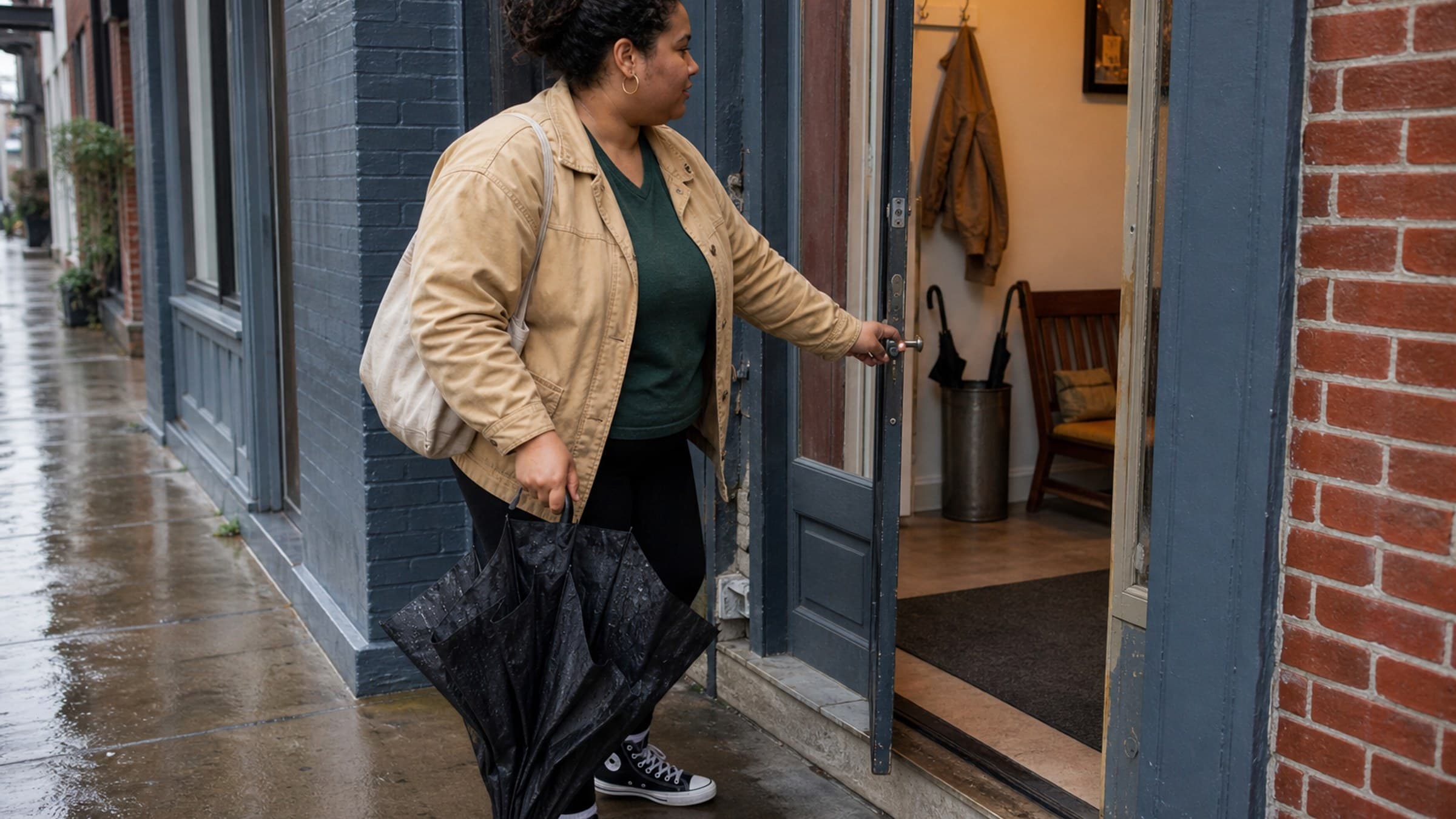
Write Arrival Instructions Clients Can Actually Follow
Clear arrival instructions help clients find the right door, plan for access, and reach their appointment without a last-minute phone call.

Your Social Posts Do Not Need to Sound Like Ads
A useful social post can teach one small thing, show how your practice works, or make a real opening easier to find without sounding promotional.

Before You Let an AI Assistant Take Action
AI can help with practice admin, but a useful suggestion still needs a careful review. Use this checklist before you approve an action.

The Birthday Email That Does Not Ask for Anything
A thoughtful birthday email can recognize a client without turning the moment into a sales pitch. Use this guide to write one that feels warm and light.

Where Does the Client's Reply Go?
A five-minute reply-path check can keep appointment questions, form updates, and scheduling changes from landing in the wrong inbox.

The Voicemail Greeting You Never Rerecorded
The greeting on your practice line was recorded in a hurry, before your hours, rates, and booking system were what they are now. It is quietly shaping every first impression that starts with a phone call.

When an Appointment Moves to Another Practitioner
Reassigning an appointment is more than changing a name on the calendar. Here is how to make the handoff clear for the client and both practitioners.

When You're Running Behind
The morning slipped, the next client is waiting, and the day is about to tilt. Here is how to handle a delay in a way that keeps the appointment and steadies the rest of your week.

The Sentence a Client Said on the Way Out
Eleven words at the door, and three weeks of quiet second-guessing. A composite story about how a single ambiguous comment eats a practitioner's confidence, and the four-minute question that closes the loop.

When the Intake Form Is Still Blank
A missing intake form does not have to derail the appointment. Use a calm follow-up routine, a clear cutoff, and a backup plan that protects the session.

When a Client's Card Is Declined
A declined card can make an ordinary checkout feel personal. Here is how to handle it calmly, protect privacy, and get payment sorted without changing the relationship.

When a Client Arrives Too Early
An early client can quietly throw off your whole day. Here is how to set a kind arrival boundary without making anyone feel unwelcome.

The Client Who Keeps Rescheduling
One reschedule is a full life. Four is a pattern. Here is how to notice the difference, what it is costing you, and how to handle it without turning a small friction into a whole conversation.

When a Client Wants to Pause, Not Quit
A pause is not a cancellation, but most practices treat it like one and quietly lose the client anyway. Here is how to hold the door open without nagging, so the people who meant to come back actually do.

When You're the One Who Has to Cancel
Sooner or later you will have to cancel on a client. How you handle that message decides whether the relationship holds or quietly frays. Here is how to do it cleanly, without over-apologizing or losing the booking.

The Client Who Came Once and Never Came Back
They booked, they showed up, the session went well, and then they were gone. First-timers who never return are one of the quietest leaks in a practice. Here is why it happens, what you can actually influence, and a simple follow-up that turns more first visits into second ones.

The Client Who Only Books When It Hurts
They come in wrecked, you help them feel human again, and then they vanish until the next flare. You are their emergency room, not their maintenance plan. Here is why that pattern happens and how to gently offer people a rhythm instead of a rescue.

The Loudest Client Is Not the Average Client
The feedback you hear is wildly unrepresentative of the feedback that exists. A practical look at why your loudest clients shape your practice more than they should, and how to weigh what you hear by how many people it actually describes.

Raising Your Fees Without Losing Clients
A new rate sheet feels like the hardest email of the year to send. It usually isn't. Here is how to time it, word it, and absorb the few responses that surprise you.

Answering the First Email From a Potential Client
The inquiry message a stranger sends before they book is the first session in miniature. Here is how to write a reply that earns the booking without sounding like sales.

When a Client Asks for a Discount
A client emails to ask if you could lower the price, or knock something off, or do a sliding-scale rate. The request is rarely about the money. Here is how to think about it, what to say, and when yes is actually the right answer.

Filling a Last-Minute Cancellation Without Sounding Desperate
A short playbook for the hour after a client cancels: who to message, how to ask, and what to put in the email so the slot fills without the begging energy.

When a Client Goes Quiet After a Few Sessions
The client who came three times and then stopped is not a lost cause and not a referendum on your work. A calm, practical guide to noticing the fade, reaching out once, and letting the rest go.

When a Friend or Family Member Wants to Book a Session
How to handle dual relationships gracefully: a short script for saying yes, saying no, and the in-between option that protects the friendship and the practice.

When a Client Asks if You Can Squeeze Them In
The 'any chance you have something today?' text catches most practitioners between guilt and irritation. A calmer way to decide, three short scripts for the three honest answers, and the schedule habit that quietly makes the question come up less.

When a Client Brings a Diagnosis They Found Online
The pre-session research is a feature of modern practice, not a problem. A grounded way to receive a self-diagnosis without dismissing the client or rubber-stamping a label that may not fit.

When a Client Texts 'I Just Realized We Had a Session Today'
The twenty-minutes-before scramble text isn't a no-show and isn't a normal arrival. A short script for either letting them keep the slot or releasing it cleanly, plus a quiet schedule fix that makes this happen less often.

When a Client Says 'One More Thing' On the Way Out
The doorknob disclosure is a feature of wellness practice, not a failure. A short script for honoring what they said without losing your schedule, plus what to do before the next session.

The First-Session Welcome Email That Sets the Tone
What you send between booking and the first session quietly decides how anxious they walk in. A short, plain welcome email does most of the work, and most practitioners are sending the wrong one.

What to Do When a Client Cancels Their First Appointment
First-appointment cancellations sting more than they should because there is no relationship yet to absorb the blow. Here is a calm way to respond, when to nudge, and how to tell whether the booking funnel is the real issue.

Writing the Rate Increase Email Without Losing Clients
Raising your rates is a normal part of running a practice, and the email is usually scarier than the response. Here is a calm way to write it, when to send it, and what to do if a client asks for the old price.

Replying to the 'Quick Question' Email Between Sessions
Clients email between sessions with questions that feel small to them and feel like unpaid consults to you. Here is a calm way to decide what to answer, what to redirect, and how to say it without sounding cold.

What Your Out-of-Office Auto-Reply Should Actually Say
Most auto-replies make clients feel ignored or quietly anxious. Here is how to write one that sets expectations, redirects what is urgent, and lets the rest wait until you are back.

When a Client Mentions They're Seeing Another Practitioner Too
Mid-session, a client casually says they are also working with someone else for the same thing. Here is how to take that information in stride, ask the right questions, and decide whether to coordinate, continue, or step back.

When You're the One Who Missed the Appointment
A client shows up. You don't. There is a missed call, a polite text, and a knot in your stomach. Here is how to apologize, make it right, and quietly fix the cause so it does not happen again.

When a Client Texts You at 9 p.m.
A client texts your personal number on a Tuesday night. It is not urgent, but it is sitting there, and now your evening has a small open tab. Here is how to handle the message, set the channel, and stop the slow leak.

The One-Sentence Message to a Client You Haven't Heard From in a Month
Sometimes a client just goes quiet. They were coming weekly, and now it has been six weeks, and you do not know whether to say anything. Here is what the right message looks like, when to send it, and when to leave it alone.

When a New Client Books and Then Disappears
A new client books their first session, you set the time aside, and then nothing. No reply, no show, no message. Here is how to handle the first 48 hours, the week after, and how to make it rarer next time.

What to Do When the Same Client Keeps Moving Their Appointment
A chronic rescheduler is rarely a difficult person. They are a pattern. Here is how to read the pattern, raise it without sounding annoyed, and decide whether to keep holding the slot or open it for someone else.

How to Ask for a Referral in the Last Two Minutes of a Session
Most practitioners avoid asking for referrals because the standard script feels transactional. Here is a quiet, one-sentence way to do it at the end of a session that does not change the temperature of the room.

How to Handle a Refund Request Without Making It Weird
Refund requests are one of the most stressful emails a solo practitioner reads. Here is a calm way to sort the request into a category, decide quickly, and write a reply that protects both the relationship and your week.

What to Say When You Have to Cancel on a Client
The cancellation-on-a-client message is one of the hardest things a solo practitioner writes. Here is a calm, honest shape it can take, same-day or a week ahead, without the apology spiral.

What to Say When a Client Asks a Question Outside Your Scope
A massage therapist gets asked about a supplement. A yoga teacher gets asked about a knee MRI. Here is how to answer honestly without overstepping, dismissing, or breaking the trust the question came from.

Handling the Late Arrival: Run Over, Cut Short, or Reschedule?
A client texts at 2:07 that they are parking. You have a 3:00 booked behind them. Here is how to decide, in about ten seconds, what to do, and a policy that quietly prevents most of the situations in the first place.

Rewriting the Booking Confirmation Email Most Practices Forget
The confirmation that goes out the moment a client books is the first email your practice ever sends them. Most practitioners never read their own. Here is what to put in it, and what to take out.

Following Up on Unpaid Invoices Without Damaging the Relationship
Most unpaid invoices in a wellness practice are not refusals. They are forgotten emails, lost cards, and a practitioner who waited too long to send the second reminder. Here is a calm sequence that gets paid without making it weird.

Writing a Cancellation Policy That Actually Holds
Most cancellation policies fail not because they are too soft, but because they are written for an enforcer who does not exist. Here is how to draft a policy you will actually use, and that clients will actually respect.

How to Take a Sick Day as a Solo Practitioner
When you are the practice, calling in sick is its own small project. Here is a calm, practical playbook for what to send, when to send it, and how to do it without the apology spiral.

What to Say When the Treatment Isn't Working
Most practitioners avoid this conversation until the client quietly disappears. Here is how to raise it earlier, more honestly, and in a way that protects both the relationship and the client's progress.

When to Refer a Client Out, and How to Do It Without Losing the Trust
Sending a client to another practitioner is one of the most generous, and most awkward, things you can do. Here is a calm way to know when it is the right call and how to say it without breaking the relationship.

How to Handle After-Hours Messages from Clients Without Burning Out
Late-night texts and weekend emails are not a sign your practice is thriving. Here is how to set expectations, protect your time, and still be the practitioner clients trust.

How to Announce a Rate Increase to Existing Clients Without Losing Half of Them
Raising your rates is one of the most stressful conversations a wellness practitioner has. The right notice period, framing, and script makes it land as a routine update — not an apology and not an ultimatum.

How to Handle Chronic Late Arrivals Without Damaging the Relationship
When the same client keeps showing up 10, 15, 20 minutes late, it costs you more than time. Here is how to address it directly, fairly, and without rupturing the therapeutic relationship.

How to End a Client Relationship Gracefully: A Practitioner's Guide to Thoughtful Offboarding
Every client relationship ends eventually. Whether they've met their goals, need a different level of care, or simply stop booking — here's how to handle offboarding with professionalism, warmth, and clear boundaries.

What to Say When a Client Asks for a Discount: Scripts That Hold Your Rate Without Damaging the Relationship
The discount ask is one of the most uncomfortable conversations in solo practice. Here's how to respond with scripts that protect your rate, preserve the relationship, and stop the spiral of unilateral price cuts.

How to Write Aftercare Instructions Clients Will Actually Follow
Your aftercare instructions might be technically correct and still completely ignored. Here's how to write post-session guidance that clients remember, understand, and act on.

Post-Session Follow-Up: How Communication After Appointments Builds Lasting Client Loyalty
What you do after a client walks out your door matters just as much as the session itself. Here is how thoughtful follow-up communication turns one-time visitors into lifelong clients.

How to Win Back Lapsed Clients in Your Wellness Practice
Every wellness practice loses clients over time, but many of them would come back with the right approach. Here is how to re-engage former clients without being pushy or desperate.
A calmer practice starts here.
Bring booking, notes, payments, and client communication into one considered place. Start free with no card required.